
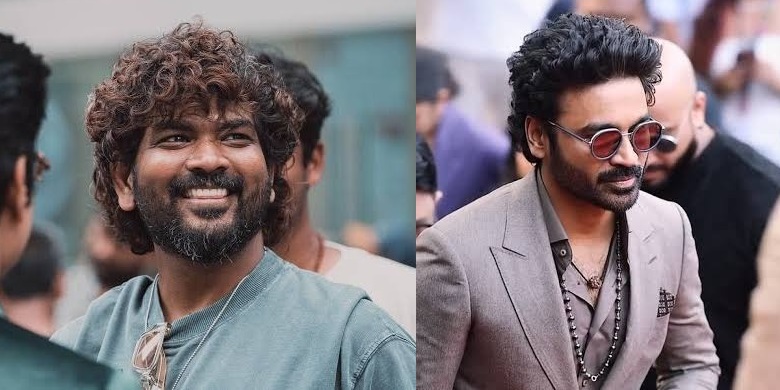
Filmmaker Vignesh Shivan has finally spoken about his strained relationship with actor-producer Dhanush, describing the fallout between them as unfortunate and deeply personal. The director addressed the issue during a recent interaction, breaking his silence after months of public speculation surrounding their differences.
The rift traces back to a legal dispute involving the alleged unauthorized use of behind-the-scenes footage from Naanum Rowdy Dhaan, a film produced by Dhanush, in a documentary centred on actor Nayanthara. The disagreement escalated into a public controversy, drawing widespread attention within the Tamil film industry and sparking discussions about copyright and professional relationships.
Speaking candidly about the situation, Vignesh Shivan expressed admiration and emotional respect for Dhanush despite their differences. He revealed that he continues to hold the actor in high regard and even associates him with personal memories connected to his late father, highlighting the depth of their once-close bond.
Describing the fallout as his “biggest loss,” the filmmaker suggested that the situation stemmed from misunderstandings rather than hostility. He noted that losing someone with whom he once shared good terms felt painful, adding that somewhere along the way, “a mistake” must have occurred – calling the entire episode “a shame.”
While the dispute remains unresolved, Vignesh Shivan’s remarks reflected regret rather than resentment, signalling lingering respect for their past collaboration. He also acknowledged Dhanush’s contribution to his professional growth, crediting earlier projects together as formative moments in his filmmaking journey.
Amid these developments, Vignesh Shivan is currently gearing up for the release of his upcoming film Love Insurance Kompany (LIK), starring Pradeep Ranganathan and Krithi Shetty, marking his return to theatres with a romantic entertainer that explores modern relationships through a futuristic lens.
Despite the ongoing differences, the director’s reflections suggest that the emotional connection forged through years of collaboration still holds significance, leaving open the possibility of reconciliation in the future.