
Avatar 3 Movie Review: Fire and Ash raises the scale, but the story plays it safe
James Cameron’s Avatar: Fire and Ash pushes visual boundaries once again, but its emotional depth and storytelling struggle to match the sheer scale of its cinematic ambition.
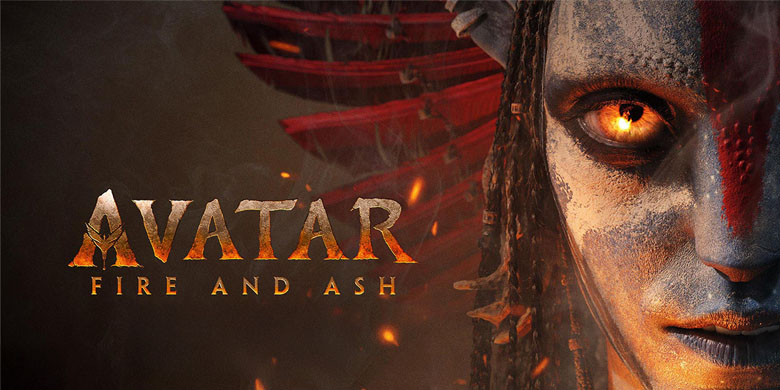
Avatar 3 Movie Review
Stunning scale, limited emotional depth
Performances
Story & Narration
Technical Aspects & Music
The Avatar franchise has always been about scale, immersion, and technical ambition. James Cameron’s 2009 Avatar redefined visual storytelling with its lush depiction of Pandora and pioneering 3D technology. Avatar: The Way of Water expanded that vision, diving into Pandora’s oceans while reinforcing the saga’s emotional core centered on family and survival. With Avatar: Fire and Ash, expectations are naturally sky-high, as Cameron promises an even darker and more intense chapter.
Set in the aftermath of devastating loss, Avatar: Fire and Ash follows Jake Sully and Neytiri as they face a new and volatile threat on Pandora. The emergence of a hostile volcanic clan introduces fresh tension, pushing the planet into deeper conflict. As war brews, the Sully family is forced to confront not just external enemies, but internal fractures that test their unity and resilience.
The first half of the film plunges viewers straight into turmoil. Cameron wastes little time setting up large-scale confrontations, with visually arresting sequences showcasing scorched landscapes, erupting volcanoes, and ravaged ecosystems. The world-building remains immersive, but narratively, the opening act leans heavily on familiar territory. Themes of displacement, colonization, and resistance mirror earlier films, making parts of the setup feel predictable despite the striking visuals.
The second half shifts focus toward emotional consequences and moral ambiguity. Neytiri’s grief-fuelled rage becomes more pronounced, while Jake struggles to hold his family together amid escalating chaos. Though the stakes rise, character arcs – especially those involving the antagonistic forces lack depth. The climactic stretch delivers scale and intensity but relies on narrative beats audiences have already seen, slightly dulling the emotional payoff.
James Cameron’s direction remains confident and technically assured. His command over large-scale action is unmatched, and his ability to construct immersive worlds continues to set industry standards. However, in Fire and Ash, spectacle occasionally overshadows storytelling. Cameron’s vision is clear, but the emotional storytelling does not evolve as boldly as the visuals.
From visual effects to sound design, Avatar 3 is a technical powerhouse. The volcanic regions of Pandora are realized with stunning detail, and action sequences benefit from seamless motion capture and fluid camera work. The musical score enhances the film’s intensity, though it rarely leaves a lasting impression. Technically, the film is near flawless, even if the narrative doesn’t fully match that excellence.
Overall, Avatar: Fire and Ash is undeniably grand, visually arresting, and immersive. Yet, its reliance on familiar themes and underdeveloped character arcs prevents it from becoming the franchise’s strongest entry. Fans of the series will appreciate the spectacle and emotional undertones, while others may wish the story had taken bolder risks to match its towering ambition.
Avatar 3 Movie Rating: 3/5